


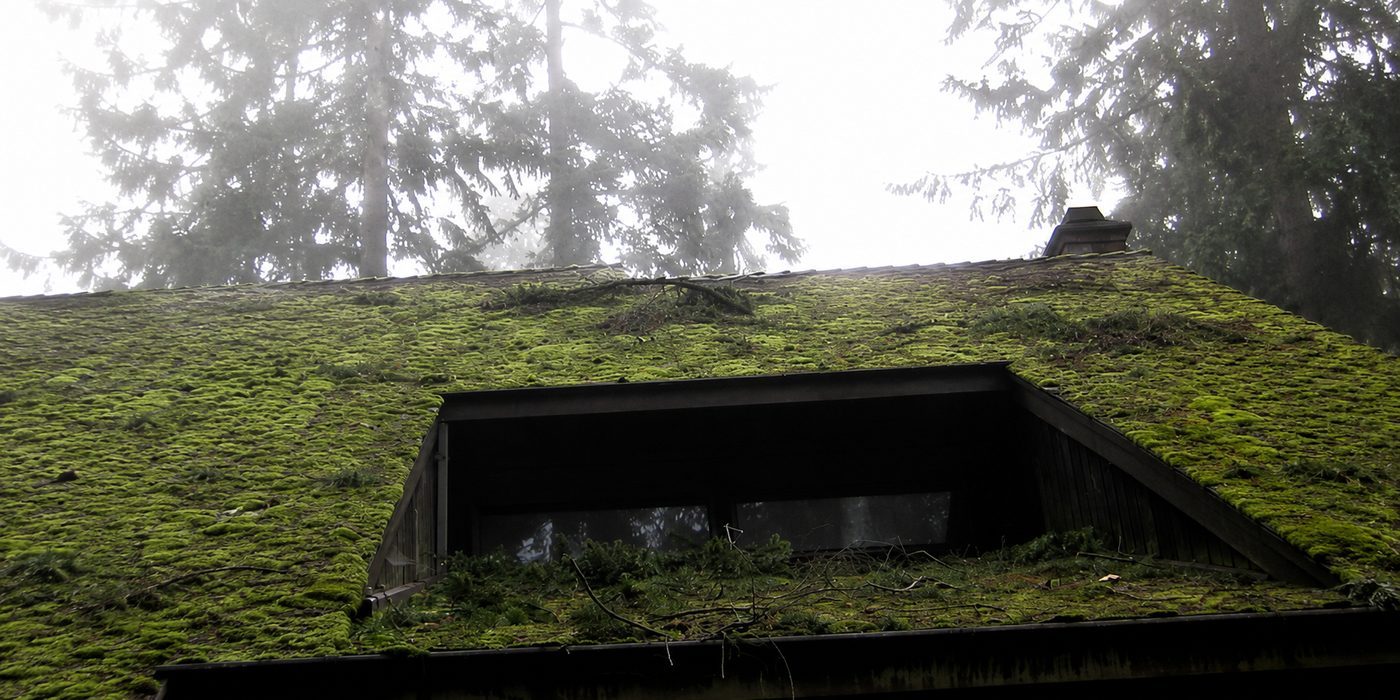
Moss on a roof reads as a cosmetic problem to most homeowners — something that makes the place look a little neglected, nothing more. That's not what it is. Moss is one of the first organisms in nature that breaks down structure, and a composition shingle roof is exactly the kind of structure it's built to work on. We've spent 25+ years treating roofs around Portland, and the pattern never really changes: the worse a roof looks, the longer it's gone without anyone paying attention to it.
What moss actually does to a shingle
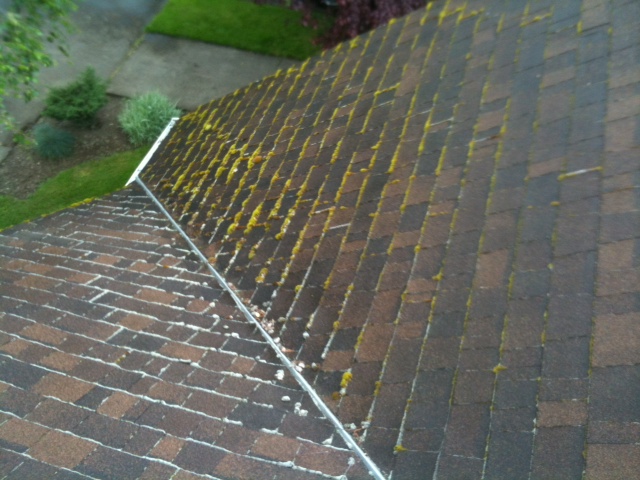
Moss doesn't just sit on top of a shingle the way dirt or leaves do. It roots into the surface, holds water directly against the granules instead of letting it run off, and as it spreads it lifts and separates the shingle seams — the exact overlap that's supposed to keep water out of your roof deck. In bad cases, moss works its way all the way through the shingle into the wood underneath. None of that happens overnight. It happens over the seasons nobody's watching the roof.
The "first organism" problem
Jesse's said this for years, going back to some of JNR's earliest posts, and it holds up: moss and lichen are the first things in nature that start breaking a structure down — the same process that turns a fallen tree into soil, just started on your shingles instead of a log in the woods.
"If you watch the show, Life After People, it shows that in all cases moss and lichen are the first things in nature that starts to break down structures. No joke!"
— Jesse Rice, from an early JNR blog post
It's not a scare tactic, it's just how the biology works. Left alone long enough, moss will do real, structural damage — not because it's aggressive, but because it's patient, and a roof rarely gets torn off before that patience pays off.
Why Portland roofs have it worse than most
Moss needs shade, moisture, and time — and the Portland metro hands it all three for most of the year. North-facing slopes, roofs under fir and cedar cover, and valleys that never fully dry out between fall and spring are the spots we see it worst. That's also exactly where debris collects, which gives moss something to root into even faster.
Why it matters beyond the roof itself
The shingle damage is the main reason to deal with it, but it's not the only one:
- Roof life — moss retention and shingle separation are what turn a 20-year roof into a 12-year roof.
- Selling the house — moss removal is often required by insurance companies and home inspectors before a sale closes.
- Curb appeal — a mossy roof is one of the first things a buyer or a neighbor notices, for the wrong reasons.
- Peace of mind — a roof that's obviously maintained tells everyone, including you, that nothing's being neglected up there.
What actually stops it
The moss itself comes off in a day. What keeps it from coming back is the treatment underneath — an eco-friendly, US-made product we apply to kill the spores at the root, not just knock back what's visible on the surface. We cover exactly what's in that treatment, and why we don't use zinc or bleach to get there, in a separate breakdown of the eco treatment itself. If your roof is already past the point where cleaning buys it real years, that's a different conversation, and we cover that honestly in when cleaning stops being worth it.
The short version: moss is not a paint problem. It's a structural one, working on the same timeline nature uses on everything else. Our roof cleaning & eco-friendly moss treatment page covers the full process if you're ready to deal with it.
Frequently Asked Questions
Why does moss need to come off, and is it really harmful if I just leave it?
How often should I get my roof treated to keep moss from coming back?
Will I see results right away, or does the treatment take time to work?
What's included in a standard roof cleaning?
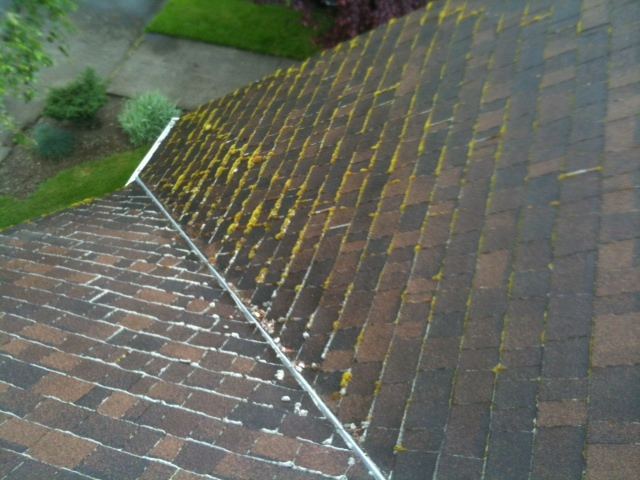
Moss doesn't quit, and neither does the damage it's doing while you're not looking. If your roof's got green creeping across it, send me a photo — I'll tell you straight whether it's a cleaning or something more.
— Jesse