

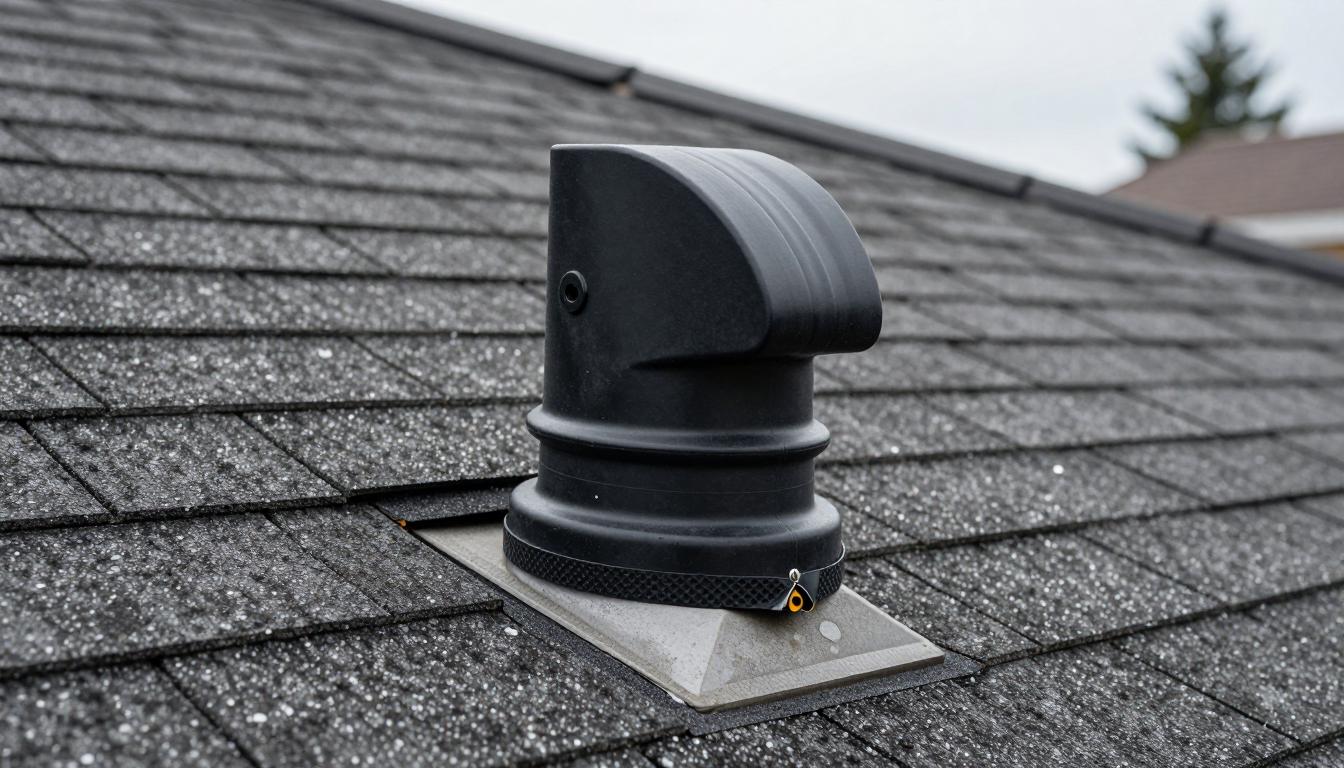
Fix the small thing before it becomes the big thing.
Pipe boot flashings and top nails cause more Portland roof leaks than anything else we see. We fix those first — plus flashing, ridge caps, and wind-damaged shingles color-matched to what is already on your roof — and we will tell you straight if a repair is not going to be enough.
The leak points we check every time.
-
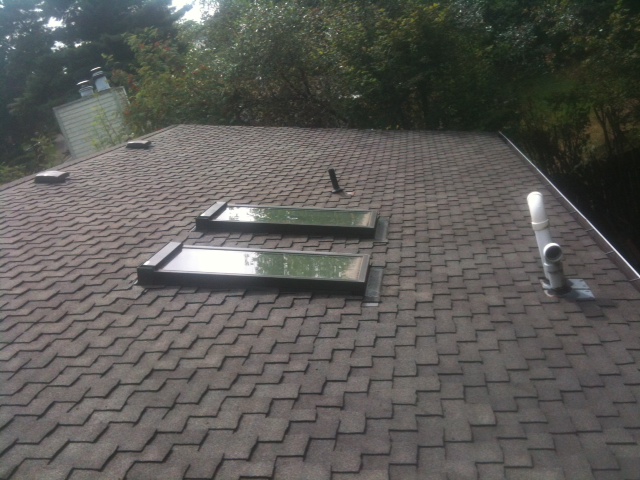
Pipe Jacks - Vent Boots #1 cause
The rubber collar around a pipe jack dries out and cracks with age — it is the single most common source of roof leaks we find. Replacing it when needed is one of the most cost-effective repairs there is.
-
Exposed Top Nails #2 cause
Nail heads left exposed to the weather work loose over time and open a direct path for water. We reseal or replace them before that happens.
-
Ridge Caps
The cap shingles running along the peak of your roof take the most weather exposure of anywhere on the roof — we replace them when they are cracked, curling, or missing.
-
Flashing
Around chimneys, skylights, and valleys — anywhere two roof planes or a roof and a wall meet — is where flashing failures show up as leaks inside the house.
-
Wind-Damaged & Missing Shingles, Color-Matched
We pull a sample of your existing shingle, clean it if it's dirty so the true color shows, and take it to a roofing supply warehouse to match the exact make and manufacturer. If that shingle's been discontinued, we match it as close as we can get.
-
Emergency Tarping
If a roof is actively leaking, we can tarp it to stop water getting in while a real repair gets scheduled. A tarp has to be installed correctly. We do not put nail holes in the roof with a tarp.
Start small.
"Start small — for one, it will save you money, and we may be able to fix or stop the leak without a large restoration project."
That's Jesse's approach to almost every leak call. Rather than jumping straight to a full restoration bid, a leak usually starts with a look — we always start with an external roof check to see what is going on. External roof checks are always free. Attic and crawl space checks are free for our existing paying customers.
If the small fix does not fully solve it, you have not lost anything — you have got a clear, photographed picture of what is actually going on before anyone commits to a bigger job. We stand behind our work and our workmanship — materials and labor both.
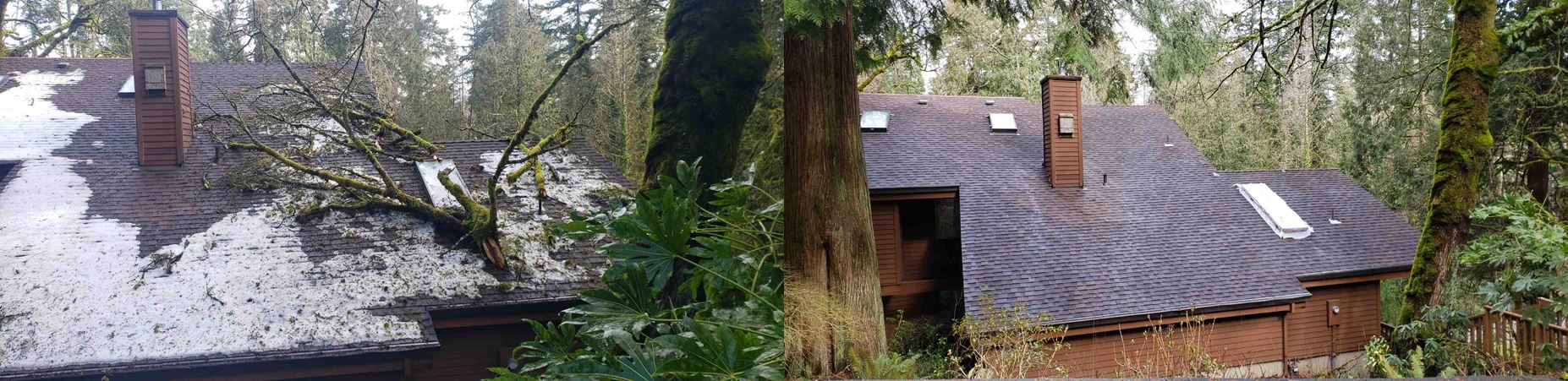
We can do emergency storm damage repairs. Click the photo here to the right.
Every job we do — cleaning or repair — includes a full, photo-documented roof inspection emailed to you afterward.
When we spot something small during a cleaning or inspection, we fix it on the spot instead of letting it turn into a much bigger repair later.
When a roof is past saving, we will let you know.
If a roof has already lost its granules and is showing bare fiber underneath, no amount of repair or cleaning is going to buy it more time. We will say so plainly — and connect you with a roofer we trust to handle the replacement. We would rather give you the honest call than sell you a cleaning.
Great work isn't cheap, and cheap work isn't great — that goes for the repair we do and the referral we give. The roofing trade partner we have is the best in the business, we believe. Based on being in the roofing trades for over 25 years. Everyone always loves working with our new roof trade partner.
A few things people ask before we start.
Are pipe jacks really the biggest cause of roof leaks?
Can you match the color of my existing shingles for a repair?
Do you offer emergency tarping if my roof is actively leaking?
Will you tell me if I need a new roof instead of a repair?
Get a straight answer on your roof leak.
Tell us what you are seeing — a stain on the ceiling, a drip in the attic, missing shingles after a storm — and we will take a look. Start small, get an honest answer, and go from there.