

Some years I've told more people they needed a new roof than every other year combined. That's not a sales pitch — I don't install roofs, so a "you need a new roof" conversation costs me the job I could've bid instead. When I say a roof's not worth cleaning, it's because it isn't, not because there's an upsell waiting behind it.
"Lots of people want me to bid cleaning but what they really need is a new roof and a cleaning would be a waste of money. I will give you the honest answer and what I think is going to be the best cost effective method. You know I am being honest because I do not install new roofs."
— Jesse Rice, from an early JNR blog post
The bald-tire test
A lot of the time, treatment won't actually make an old roof last meaningfully longer. If shingles have already lost their granules and are showing bare fiber underneath — the roofing equivalent of bald tires — cleaning doesn't fix that, and we'll say so rather than take the job anyway. Moss removal can make a healthy roof look brand new. It can't put granules back on a shingle that's already worn through.
What a roof that's still worth treating looks like
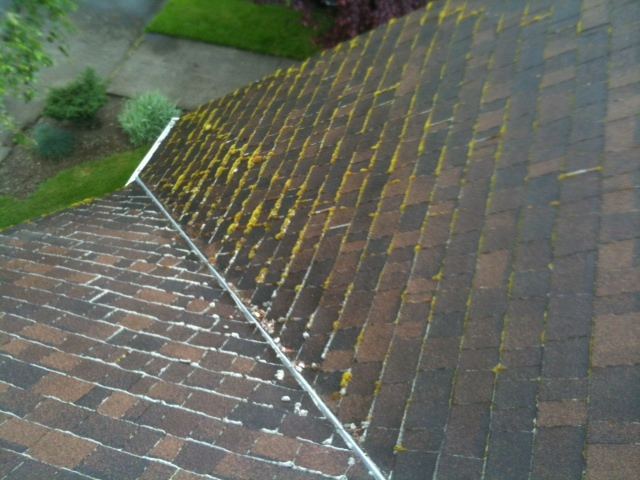
Most roofs we look at fall into this category, not the replace-it one. Signs a roof still has real years left in it:
- Granules are still intact under the moss, not worn through to bare shingle fiber.
- Moss is on the surface, not deeply rooted through multiple shingle layers.
- Flashing and pipe boots are in reasonable shape — the leak-risk spots, not just the moss itself.
- The roof is younger than its rated lifespan — a 3-tab roof designed to last 15 years that's 8 years in is a very different conversation than one that's 17 years in.
The middle option nobody mentions
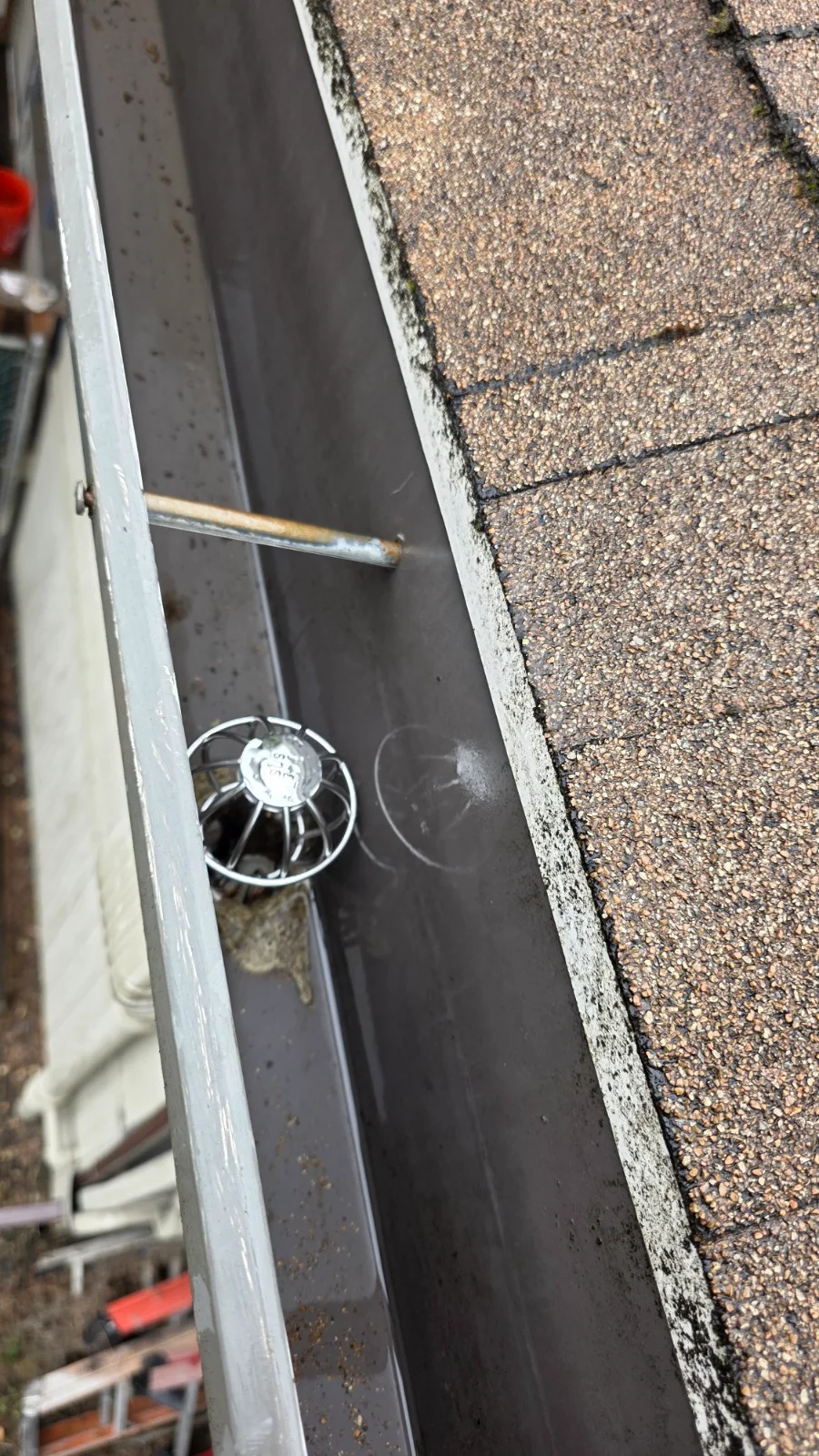
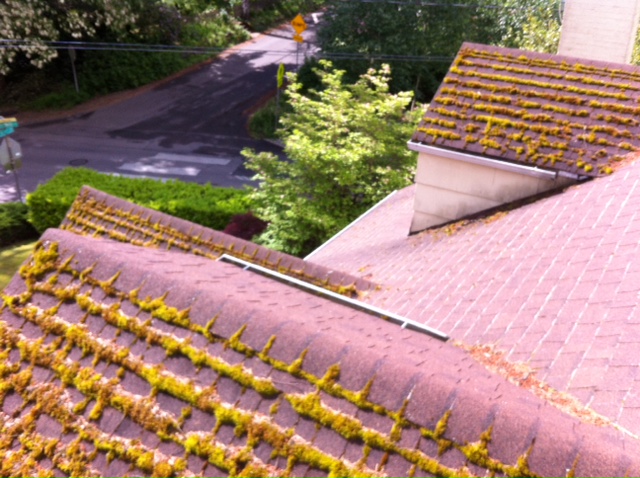
For older 3-tab roofs that are past due for replacement but not quite ready for the expense, there's a middle option: treat only, without a full moss removal. We treat the roof for moss, clean the gutters, and seal any leak hazards we find, without brushing or washing off an old roof that a cleaning could damage further. It won't get rid of the moss you can already see — it'll still be up there looking the same — but it kills it so it stops doing further damage while you plan the replacement on your own timeline, not ours. Usually one treatment does that; occasionally it takes two, but we've never seen a roof need more than that to fully kill off the moss.
It's a smaller job than a full cleaning, priced accordingly, and it's the option we bring up ourselves when a roof falls into that gray zone — most homeowners don't know it exists, because most companies would rather sell the bigger job.
Why we do a roof check before we ever bid
Every estimate starts with an honest look at what the roof actually needs, not what generates the biggest invoice. If cleaning is the right call, we'll say so. If it's too far gone for cleaning to be worth your money, we'll say that instead — and point you to a roofer we trust, since we don't do replacements ourselves. Our estimate process covers exactly how that pre-work check happens, remotely or in person.
Great work isn't cheap, and cheap work isn't great — but the most expensive mistake on an old roof isn't overpaying for a cleaning, it's paying for one that was never going to help.
Frequently Asked Questions
Why does moss need to come off, and is it really harmful if I just leave it?
Do you guarantee your work?
Do you repair roofs too, or just clean them?
Your website says free estimates — why do you charge for some leak estimates?
I'd rather lose a bid than take your money for a cleaning that isn't going to help. If you're not sure which side of that line your roof is on, that's exactly the kind of thing to ask me before you ask anyone else.
— Jesse