

Roof cleaning is the headline service, but most of what actually keeps a roof from leaking is smaller than that. We do more than just roof cleaning — pipe vents get replaced, chimney caps go in, and a lot of the maintenance work that matters most happens on jobs nobody would call a "repair" until it's too late. None of it shows up on a quote as its own line item most of the time; it's folded into the same visit as the cleaning, because that's when a crew is already up there looking.
The open chimney flue problem
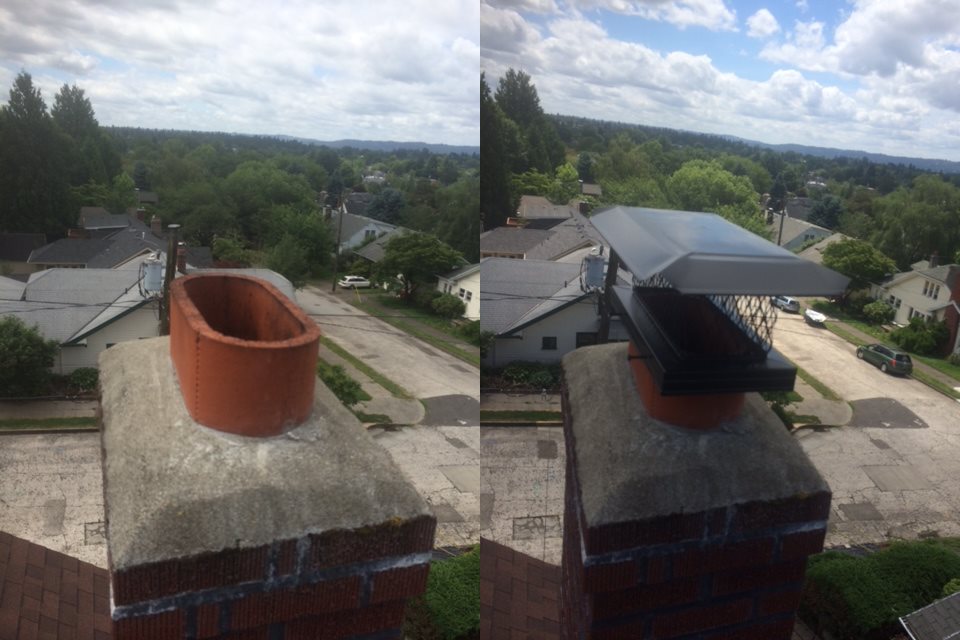
An open, uncapped chimney flue is a direct opening for rain straight down into the firebox or chimney chase. Over years, that means water working into the masonry itself, not just pooling somewhere it can dry out. Installing a cap closes that off while the chimney still vents the way it needs to — it's a mesh-sided, hooded fixture that keeps rain, leaves, and animals out without blocking airflow. A chimney cap is an add-on we'll price for you before we do it, and every install comes with photos plus a free roof inspection while we're already up there.
Pipe vents — more than just the rubber boot
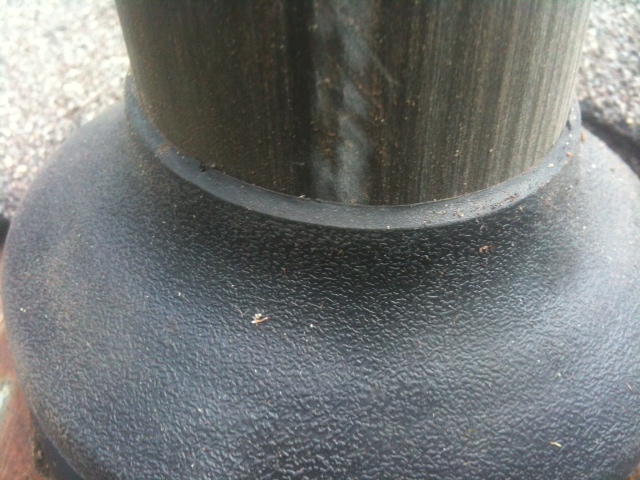
Sometimes a pipe vent boot is beyond a reseal and the whole vent gets replaced outright rather than patched — the pipe itself can crack or the base flashing can rust through, not just the rubber collar around it. If you want the deeper mechanics of why pipe boots are the single most common leak source we find, we cover that in detail in Pipe Jacks Are Still the #1 Cause of Roof Leaks We See — worth a read if you're not sure whether yours needs attention. Between that article and this one, that's most of what actually causes leaks on a roof that isn't obviously falling apart.
"Taking care of the leak hazards is just as important as removing the moss… I give a full inspection with every roof cleaning or gutter cleaning job, with pictures taken of anything I notice, so you know I'm being honest."
— Jesse Rice, Owner, JNR Industries
The rest of the small stuff we check
None of this is dramatic work on its own, which is exactly why it gets missed if nobody's looking for it. On a typical roof, that means:
- Pipe jack rubber boots — the single most common leak source we find
- Exposed top nails — nail heads left uncovered by the shingle course above, rusting open over time
- Torn or curling ridge caps — the most weather-exposed shingles on the whole roof
- Loose flashing at valleys, chimneys, and skylights — wherever two roof planes meet
- An open chimney flue, if there's no cap keeping rain out
Why we catch this instead of just cleaning and leaving
Every job we do — cleaning or repair — includes a full, photo-documented roof inspection emailed to you afterward. That means the vents, nail heads, flashing, and ridge caps get an actual look every time a crew is up there, not just when something's already dripping into the attic. Small stuff gets fixed on the spot instead of turning into a bigger leak call later, and you get the photos either way — whether that's "here's what we fixed" or "here's what to keep an eye on."
A one-time cleaning catches whatever's wrong that day. A yearly visit catches it earlier, before a cracked pipe boot or a curling ridge cap has had a winter to turn into an actual leak. See our roof maintenance plan for how that yearly rhythm works, or go straight to roof repairs & leak repairs if something's already gone and you need it fixed now rather than caught next time.
Frequently Asked Questions
Do you install permanent roof tie-off anchors?
What's included in a standard roof cleaning?
Do you repair roofs too, or just clean them?
Do you guarantee your work?
See a chimney with no cap on it, or a pipe boot that looks cracked? That's a cheap fix today and a soaked ceiling later. Give me a call — most of this stuff takes minutes once we're already up there.
— Jesse