


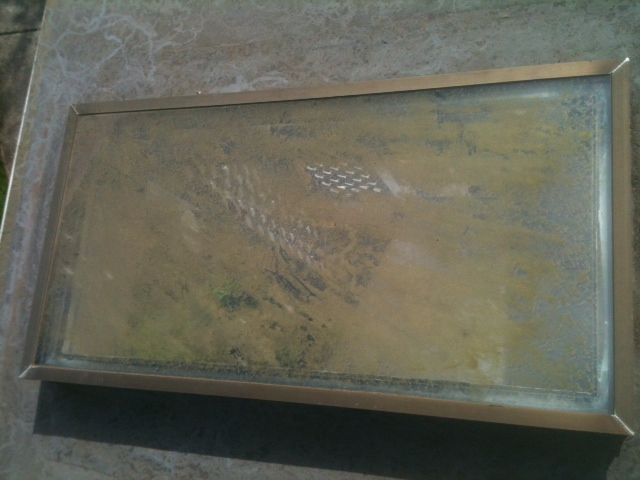
We get asked this one a lot, usually mid-estimate: while you're up there, can you clean the skylights too? We do more than just roof cleaning when we're already on a roof, and the honest answer depends entirely on what the skylight is made of — here's exactly where that line falls.
What we'll clean: glass skylights
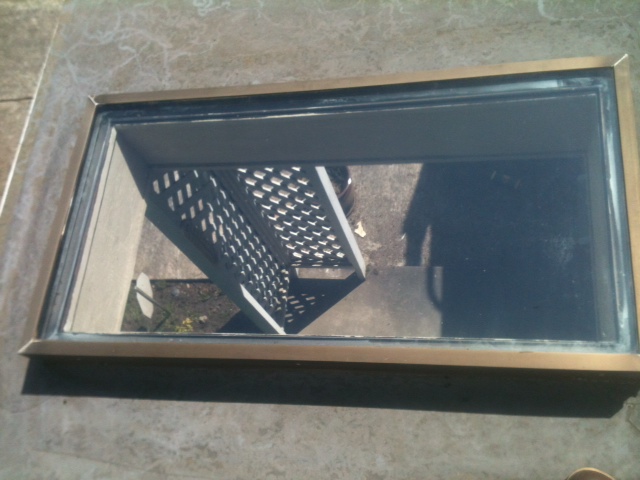
If your skylight is glass, yes — using your Windex and paper towels, billed at our labor rate starting at a half hour. We don't stock window-cleaning supplies in the van, since we specialize completely on roof care; it's your supplies, our labor, and it's worth doing simply for how much more light gets into the room below. In the Portland area, where overcast stretches run long through fall and winter, a skylight that's actually letting light through matters more than it might somewhere sunnier.
It's not something we go looking for on our own — if you want it done, mention it when you book or flag it to the crew when they're up there, and we'll bring your supplies up with us on the same trip instead of scheduling a separate visit.
"We treat close to the roof to avoid overspray and it gets more treatment onto the roof and less into the air."
— Jesse Rice, Owner, JNR Industries
What we won't touch: plastic skylights
We don't clean plastic (acrylic or polycarbonate) skylight domes as part of a standard cleaning. Our process is built around composition shingles, not soft plastic that scratches easily with the wrong cloth or the wrong chemical — it's a different material with different rules, and we'd rather say no than risk damaging it. A lot of homeowners assume "skylight cleaning" is one service; in practice it's two different materials with two different sets of risks, and we only take on the one we're set up to do safely.
- Glass skylights — we'll clean them with your own supplies, billed at our labor rate starting at a half hour.
- Plastic (acrylic/polycarbonate) domes — not part of a standard cleaning; wrong material for our process, so we'd rather say no than risk it.
- Scratched or hazy plexiglass — a separate, ask-first service, not something we do as a matter of course on every job.
The scratch-repair exception
Plexiglass domes scratch easily over the years — sun exposure, debris, age, the occasional branch dragging across the surface in a windstorm — and on jobs where a customer has asked, we've buffed scratches out. It's a different process from the glass cleaning above, worth asking about if your plexiglass dome has gone hazy or scratched, but not something we do as a matter of course on every job the way a pipe-boot check or a gutter clearing is. If your dome is clouded rather than scratched, that's sometimes just years of UV exposure breaking down the plastic itself, which buffing can't fix — ask us to take a look and we'll tell you honestly which one you're dealing with.
Why we work close to the roof on purpose
Part of the reason skylights usually aren't dirty from our treatment in the first place is that we apply it tight to the roof surface on purpose, rather than letting it drift. That's also why debris tends to pile up right at a skylight's low edge the same way it does around a pipe vent — it's worth a glance whenever you're cleaning gutters yourself. If we do get a skylight dirty during a job, we'll clean it at no charge — that's true whether or not you've asked for a paid cleaning elsewhere on the same roof.
Skylight care is a small piece of a bigger job, not the main event. See roof cleaning & eco-friendly moss treatment for what a standard visit actually covers, or just ask us directly when you book — tell us what your skylights are made of and we'll tell you exactly what we can and can't do to them.
Frequently Asked Questions
Do you clean windows and skylights?
What's included in a standard roof cleaning?
Will you clean up after yourselves — the moss, the debris, all of it?
Do you repair roofs too, or just clean them?
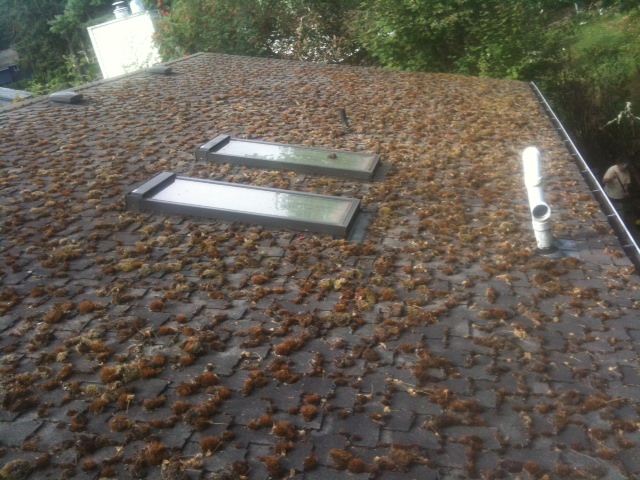
Got a skylight that's more grime than glass, or a plexiglass dome that's scratched up? Ask when you book — if it's glass, we'll clean it while we're up there; if it's something else, I'll tell you what your options actually are.
— Jesse