

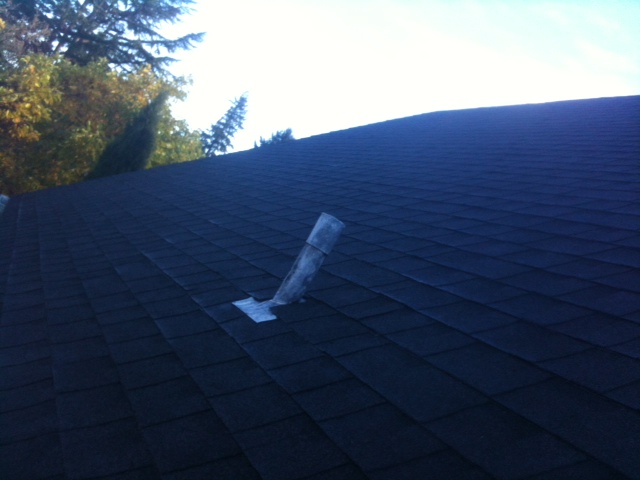
Any roof steep enough to need a harness and rope line needs something secure at the top to clip into. The question isn't whether we tie off — it's whether that anchor point is a new hole punched into your ridge cap on every single visit, or one properly installed anchor that stays put year after year. We install the permanent kind, and we think every company doing this kind of work should.
Why steep roofs need anchors at all
Once a roof's pitch gets steep enough that standing on it without protection isn't an option, a harness and rope system is the only responsible way to work it — for cleaning, for treatment, for repairs, for anything that puts a person up there. That system has to tie into something solid at the top of the roof. Without a dedicated anchor, the alternative is a temporary hook or strap set up fresh each visit, which means new fasteners and new penetrations in your roofing material every single time a crew comes back.
The five reasons we install them permanent
We install permanent tie-off anchors for five specific reasons, and none of them are about making the job easier for us at your expense:
- Safety for the crew. My employees and I are always properly tied off and fully secured — that's not negotiable, and a permanent anchor is the most reliable point to clip into.
- Fewer holes in your roof. A permanent anchor means we're not poking a new hole and resealing it every time we're up there. One properly flashed installation instead of a fresh penetration on every visit.
- Less wear on your ridge caps. Repeated temporary anchor points concentrate wear right at the ridge — the part of the roof already taking the most weather exposure.
- Less labor over the long run. We're not setting up a new tie-off system from scratch on every job, which keeps the work efficient without cutting any safety corners.
- Better for you, liability-wise. A permanently installed, professionally anchored roof shows that you as the homeowner took your contractor's safety seriously — which matters more than most people realize if anything were ever to go wrong.
"I do not mind not doing the treatment on that roof — the moss will grow back, and cleaning it over and over every time the moss comes back isn't good for the roof either. I do mind not being tied off. I will not do this job if you can't agree to do the right thing and have the tie-offs installed."
— Jesse Rice, Owner, JNR Industries
That's not a sales pitch — it's a line we actually hold. We'll walk away from a moss job before we'll work a steep roof unsecured, because there's no bid worth that risk to the people doing the work.
What installing one actually looks like
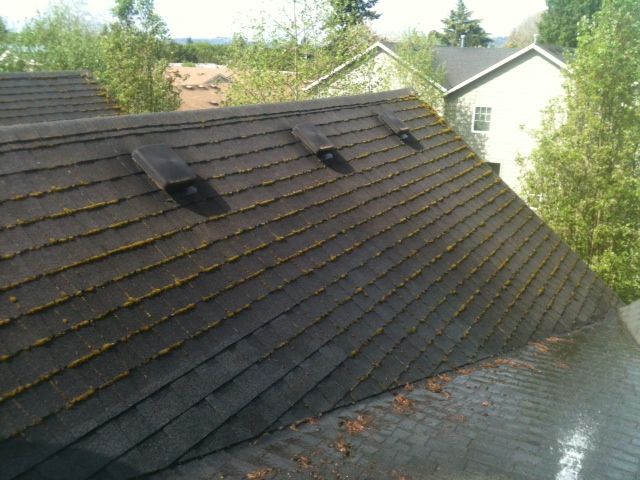
A permanent anchor is small — it goes in under the ridge cap, and we color-match it with paint to blend into your roof, so it isn't something you'll notice from the ground or even up close. Once we've installed one, we don't let other contractors use it — we're not responsible for the safety of someone else using our hardware, and there are more variables to a safe tie-off than just having an anchor point to clip into.
If you'd rather not install one, we still have an option.
We'd rather every steep roof we service have a permanent anchor. But if a homeowner genuinely doesn't want one installed, we can set up a temporary anchor instead — it just means a new setup on each visit rather than one lasting installation.
Any roof, any pitch
We'll work on any roof — steep single-family homes, condos, townhomes, apartment buildings, commercial buildings. Steep, multi-unit roofs are actually where the case for permanent anchors is strongest: a property that gets serviced annually is a property where a crew is going back up, year after year, and a permanent anchor is what keeps that repeat visit as safe and low-impact on the roofing material as the first one. If you manage a property with a roof like that, we handle recurring service on commercial and multi-unit buildings the same careful, documented way — a dated photo report per address, every visit.
For more on how we approach a roof safely from the ground up, see roof cleaning & eco-friendly moss treatment, or check the FAQ for the full licensing and safety breakdown.
Frequently Asked Questions
Why does JNR install permanent tie-off anchors instead of temporary ones?
What does a permanent tie-off anchor cost, and will it be visible?
What if I don't want a permanent anchor installed on my roof?
Are you and your crew properly insured to be working on my roof?
A tie-off isn't a suggestion once you're up on a steep roof — it's the only thing between me and the ground, and between my guys and the ground. If a company won't talk straight with you about how their crew stays secured on your roof, that tells you something. Ask me anything about ours.
— Jesse