

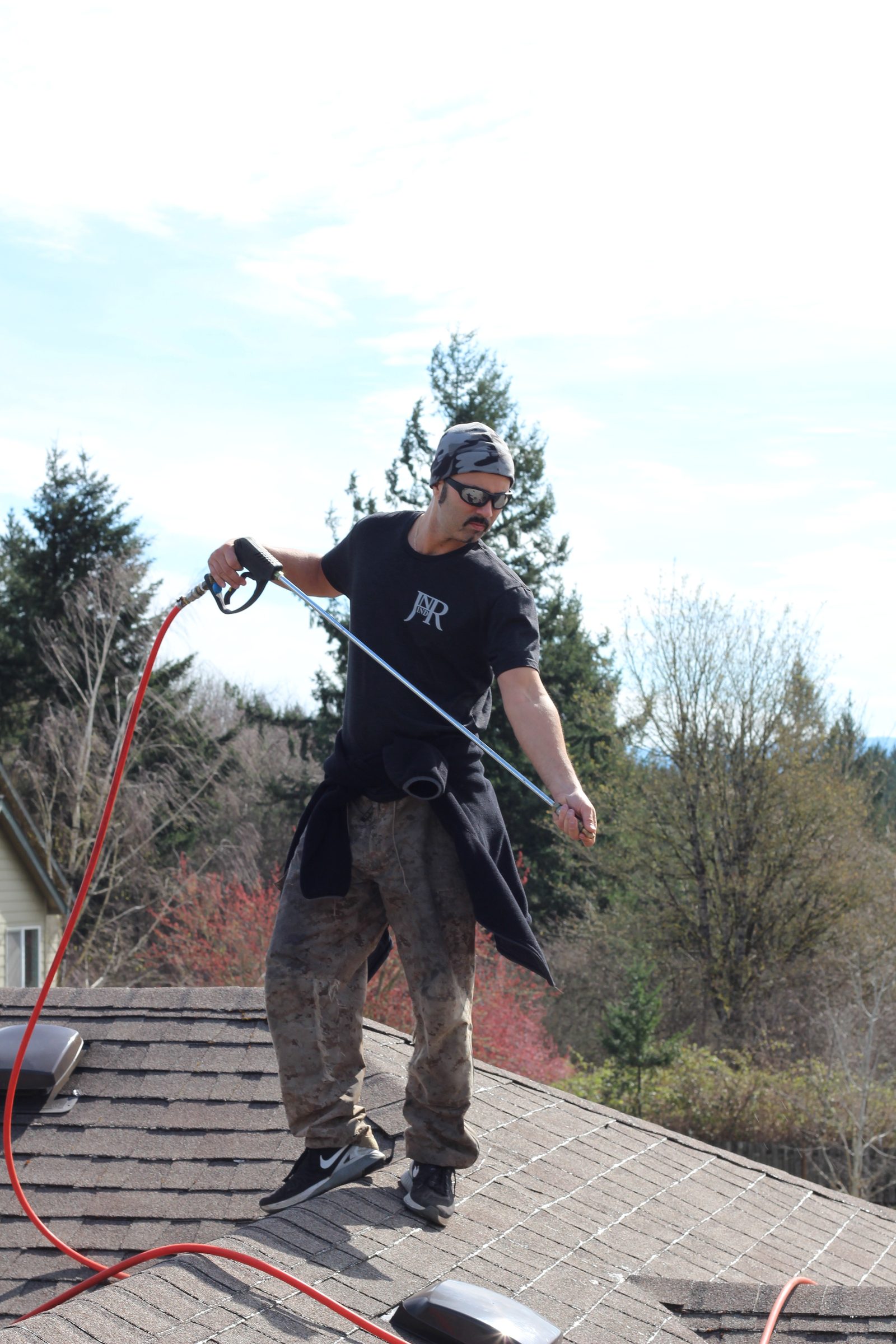
Every so often a homeowner calls after getting three roof cleaning bids, and ours isn't the cheapest one on the list. That's a fair thing to ask about — and the honest answer isn't that we're padding the price. It's that being a fully legal roof cleaning company in Oregon costs real money before a single job gets booked, and that cost shows up in every bid we give.
The overhead that doesn't show up in a sales pitch
Workers' comp insurance for roof work isn't optional if you have employees, and it isn't cheap — roofing is one of the higher-risk class codes an insurer prices, and a legitimate company carries that premium year-round, whether the schedule is full or slow. Layer CCB registration with the Oregon Construction Contractors Board (CCB# 214684) and Commercial Chemical Operator licensing with the Oregon Department of Agriculture (#AG-L1056261-CPO) — required for anyone applying moss treatment in this state — on top of that, and you've got real, ongoing cost baked into every legal bid before a truck ever leaves the lot.
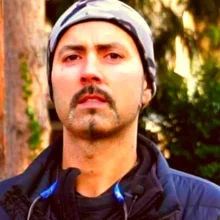
"I give fair prices and fair bids. I pay a fair wage and hire legal employees. This business eats up a lot of money, especially being legal."
— Jesse, circa 2013
What a lower bid is usually cutting
None of that overhead is visible on a bid printed on paper. Two quotes can look nearly identical — same scope, similar price — while one of them is carrying real accountability and the other is carrying none of it. When a bid comes in well under everyone else's, it's worth asking directly what's missing rather than just taking the savings:
- No workers' comp on the crew — cheaper for the company to skip, but the liability shifts toward you if someone gets hurt on your property.
- No CCB registration — no state oversight, and no bond standing behind the work if it goes wrong.
- No Department of Agriculture chemical-applicator license — nobody accountable if the treatment is misapplied, or isn't what the label says it is.
Fifteen-plus years of watching the cheap ones disappear
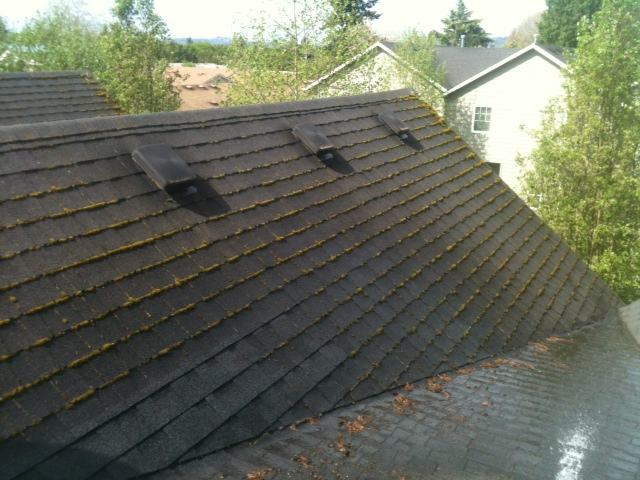
In over 25 years cleaning roofs around Portland, the pattern hasn't changed: a wave of unlicensed, uninsured operators underbids the market for a season or two, then quietly disappears — hurt on a job, priced out by their own lack of coverage, or just moved on to something else entirely. Every time one goes, another usually takes its place, making the same promises. Cutting those corners doesn't pay off for long; it just costs the homeowner who hired them in the meantime, in ways that usually aren't obvious from the ground.
We'll match a legitimate bid — not an unlicensed one.
If you bring us a bid from a company that can show active CCB registration, workers' comp coverage, and Department of Agriculture chemical-applicator licensing, we'll match it. That's the whole ask — apples to apples, not us against an operation that's skipping the costs that make our price what it is.
What to ask before you compare two numbers
- Can you show me your CCB number right now, no hesitation?
- Are you covered by workers' comp for everyone who'll be on my roof?
- Are you licensed by the Oregon Department of Agriculture to apply treatment?
A company that answers all three without missing a beat is bidding you the same way we do — legitimately, with real costs behind the number. For the full walkthrough on checking those answers yourself, see how to verify a roof cleaner's license, or read more about our pricing and licensing on the FAQ.
Frequently Asked Questions
Are you licensed, bonded, and insured?
Do you price-match other roofing companies?
Why does it matter to me whether the applicator is licensed?
Do you install permanent roof tie-off anchors?
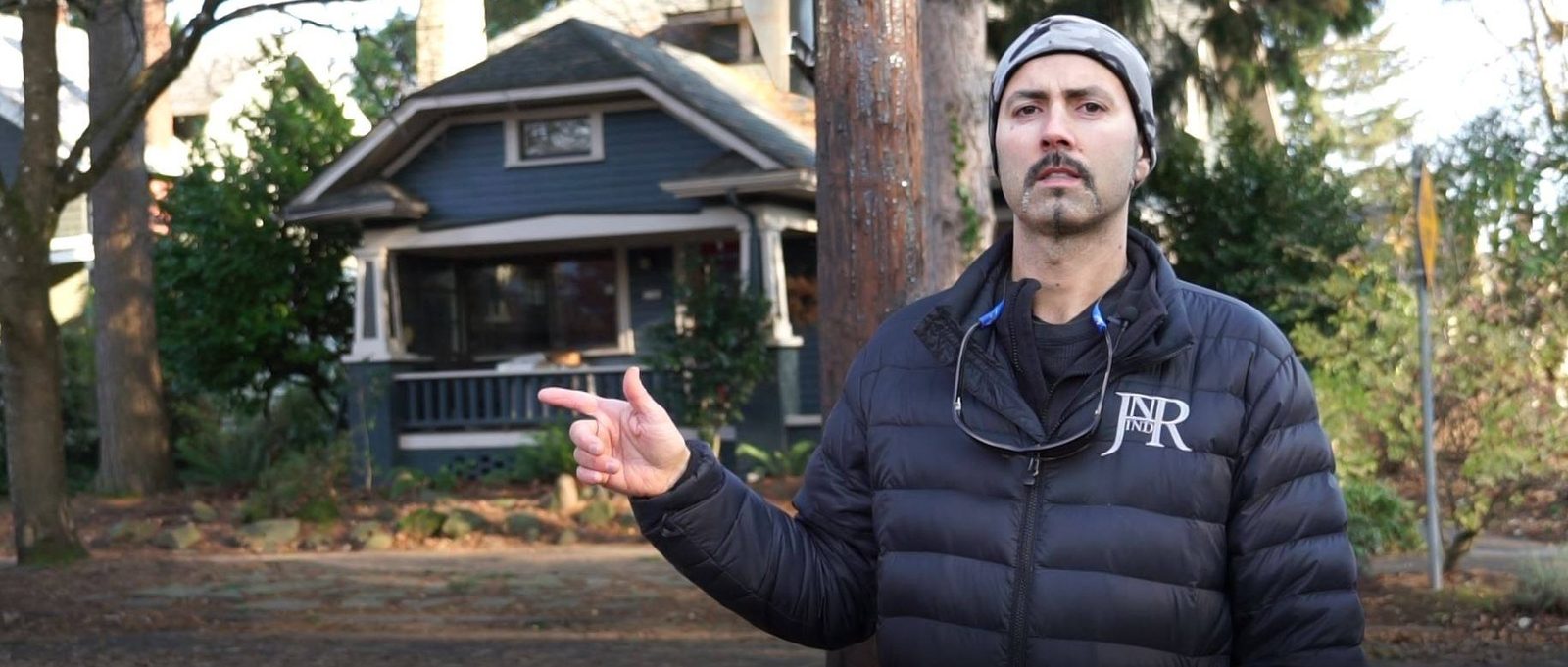
Ask any company for their CCB number, their comp coverage, their ODA license — and if they can't produce all three without hesitating, that tells you what you need to know. I'd rather you pay a legal company a fair price than pay a cheap one for a mess I end up fixing later.
— Jesse