

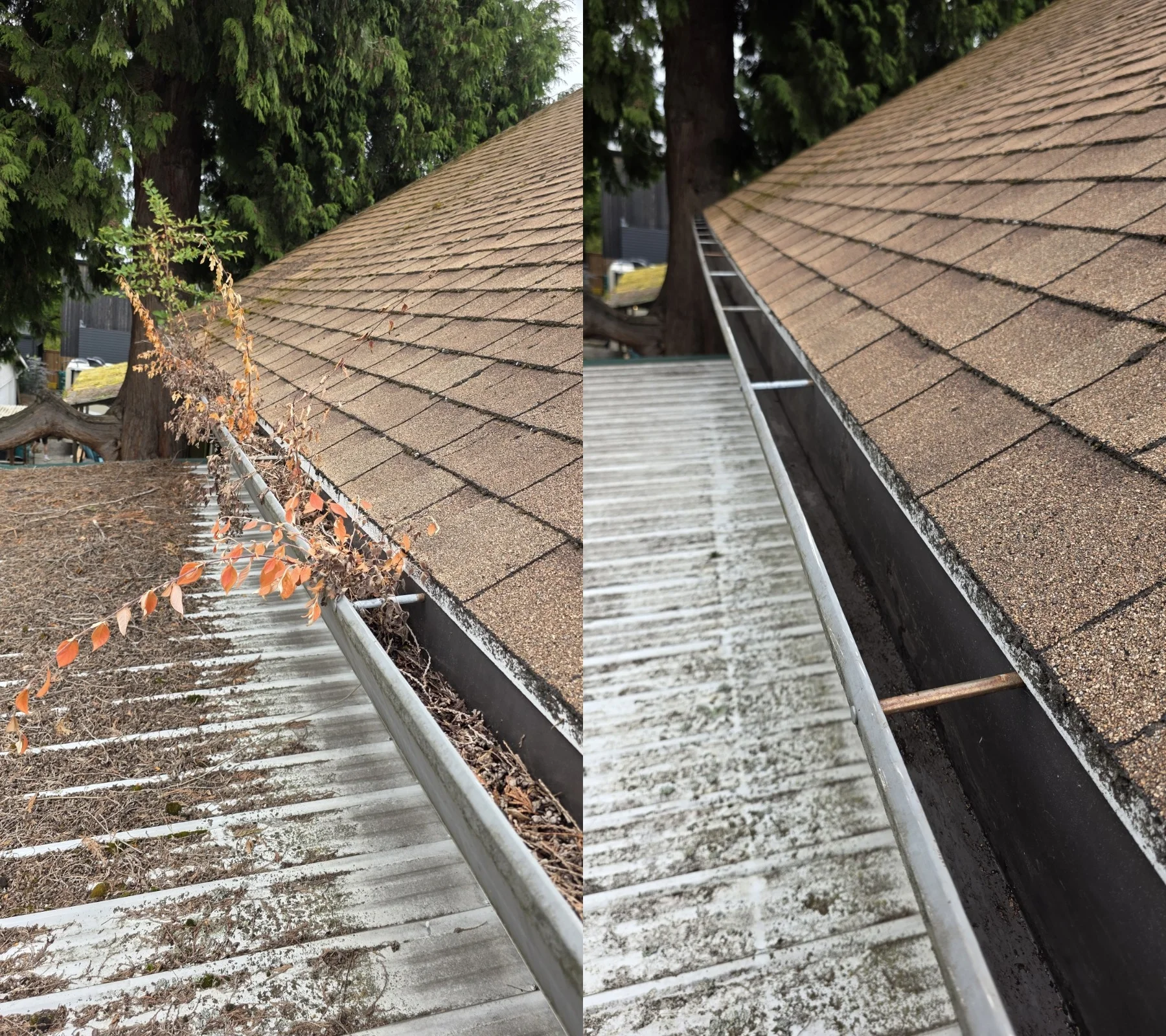
Who are you going to pick to clean your roof? It's a bigger question than it sounds like, because almost anyone can buy a pressure washer, print a few flyers, and call themselves a roof cleaner. Checking whether a company is actually licensed to do this work takes about five minutes, using free public databases the state already runs — here's exactly how.
The three licenses that actually matter
A legitimate roof cleaning company in Oregon carries three separate things, and it helps to know what each one actually covers:
- CCB registration — with the Oregon Construction Contractors Board, covering the contracting work itself.
- ODA Commercial Chemical Operator license — required by the Oregon Department of Agriculture for anyone applying moss prevention or treatment chemicals.
- Workers' comp insurance — covering the crew if the company has employees on your roof.
We hold all three — CCB# 214684, Commercial Chemical Operator #AG-L1056261-CPO, and workers' comp on every crew member who steps on a roof.
How to check the CCB number yourself
Every legitimate Oregon contractor has a CCB number, and you don't have to take their word for it. The Construction Contractors Board runs a free public search — plug in the number or the company name and you'll see whether the registration is active, what class of work it covers, and whether there's a bond behind it. Check ours — CCB# 214684 — or check anyone else's before you sign anything.
"If the company does not ask you how old your roof is, that is a red flag."
— Jesse Rice, JNR Industries
How to check the ODA chemical-applicator license
This is the one people skip, because it sounds like paperwork rather than something worth checking. Oregon requires anyone applying moss prevention or treatment chemicals to be licensed by the Department of Agriculture as a Commercial Chemical Operator. The ODA runs its own free public license search — search by name or license number to confirm it's active. Ours is #AG-L1056261-CPO, and you can look up any Oregon applicator here.
Why workers' comp is the hardest one to fake
Oregon requires anyone applying moss prevention or treatment to be licensed by the Department of Agriculture for a real reason — it's a customer protection, not red tape. An unlicensed applicator isn't accountable to that state oversight if something goes wrong: a treatment applied incorrectly, runoff that damages landscaping, a chemical that isn't what its label says. Workers' comp works the same way from a different angle — if a company skips it to save money and someone gets hurt on your property, the liability doesn't just disappear, it tends to land closer to you than you'd expect.
- What's your CCB number, and can I look it up myself right now?
- Are you licensed by the Oregon Department of Agriculture to apply treatment?
- Do you carry workers' comp for everyone who'll be on my roof?
What it means if they hesitate
A legitimate company answers instantly.
We can give you our CCB number, our chemical-operator license number, and confirmation of workers' comp coverage without pausing to think about it — because there's nothing to look up, it's just who we are. If a company stalls, changes the subject, or gets defensive when you ask, that hesitation is the answer. It doesn't automatically mean they're a scam, but it's a bid you should slow down on.
For more on the economics behind why licensed companies cost what they cost, see why legal roof cleaners cost more, or check our full FAQ for the complete licensing and pricing breakdown.
Frequently Asked Questions
Are you licensed, bonded, and insured?
Why does it matter to me whether the applicator is licensed?
What should I look for when I'm comparing bids?
Do you work outside Oregon — say, in Vancouver, WA?
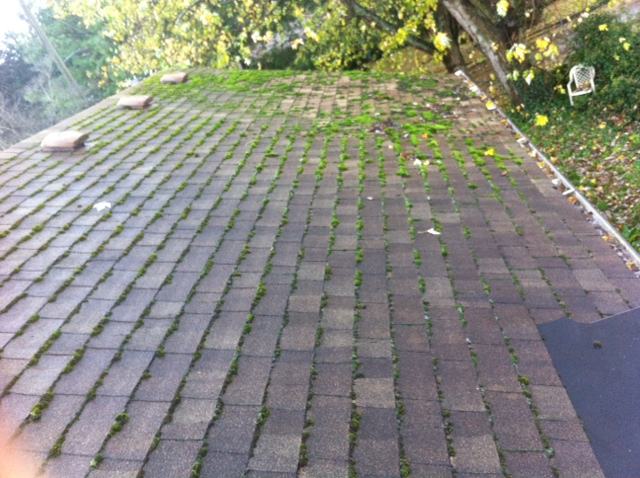
Anyone can buy a magnetic sign for their truck. Check the CCB number, check the ODA license, ask about workers' comp — it takes five minutes and tells you more than any sales pitch will.
— Jesse