


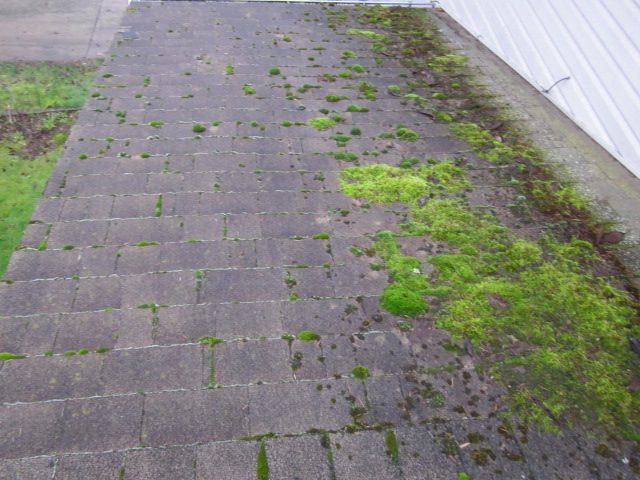
Moss doesn't wait for a convenient time to grow, and treatment doesn't work equally well in every season either. In a climate as wet as Portland's, the window you treat in actually matters — not because moss won't grow outside it, but because the treatment does its best work when the conditions are right. Homeowners usually call us the moment they notice green on the roof, which is understandable, but the calendar matters almost as much as the moss itself.
The two best windows
The best stretches for treatment are March through early July and late August through early November. That's not a hard rule — we treat roofs outside those windows too when a roof needs it — but it's when the treatment does its best work. The spring window lines up with the weather unlocking moss spores after a wet winter, and the early-fall window gets a roof treated before the next round of wet weather sets back in.
"I have never seen it be so cold for so long. Especially over night when the temps drop below freezing. Thanks for being patient with us as we wait for good roof and gutter cleaning weather."
— Jesse Rice, from an early JNR blog post, December 2013
Why not just wait for summer?
Summer feels like the obvious choice — dry, warm, easy to schedule — but it's actually the weaker of the two windows. Moss goes semi-dormant in a hot, dry stretch, which means the treatment isn't working against active growth the way it is in spring or early fall. You can still get a roof treated in July, and we will if that's what your schedule needs, but you're not getting the same result you'd get treating the same roof six weeks earlier or six weeks later.
What actually postpones a job
Two things move a scheduled appointment: freezing temperatures and heavy rain in the forecast. If either is expected on your appointment day, we'd rather move the date than apply treatment under conditions that compromise it — Portland weather gets a vote in scheduling, and there's no upside to treating a roof under conditions that undercut how well the product works.
Does rain ruin a treatment that's already down?
No — and this is the part people usually assume wrong. It's actually better to treat a roof under light rain than under a hot summer sun, and the treatment still works even if it rains shortly after we're done. A shift in the forecast after we've started isn't a reason to reschedule; freezing temps and heavy rain before we start are the things that actually change the plan.
What to expect once a treatment is scheduled
- Immediate removal — visible moss comes off the shingle the day the crew is there.
- About a month to fully work — the organic treatment needs that time to soak in and kill spores at the root.
- Usually one visit — occasionally two, if moss has had years to establish before its first treatment.
- Weather-dependent start, not weather-dependent finish — once we're on the roof, payment is due for work completed even if conditions shift.
If your roof is heavily shaded and catching up after a few years without attention, it may start on a twice-a-year schedule before settling back to annual — we'll tell you what your specific roof needs rather than giving a one-size answer. The goal either way is the same: get ahead of the wet season instead of reacting to it once moss is already established and the good windows have closed for the year. Our roof maintenance plan page covers what that annual rhythm looks like once you're on it, and our estimate process covers how we schedule the first visit.
Frequently Asked Questions
Does rain or cold weather mess up the treatment or my appointment?
How often should I get my roof treated to keep moss from coming back?
How far out are you booked?
Will I see results right away, or does the treatment take time to work?
Portland doesn't give you a lot of dry weeks, so I'd rather use the good ones well than rush a job into a forecast that's working against it. If you're not sure your timing's right, text me a photo of your roof and I'll tell you what window it actually needs.
— Jesse