


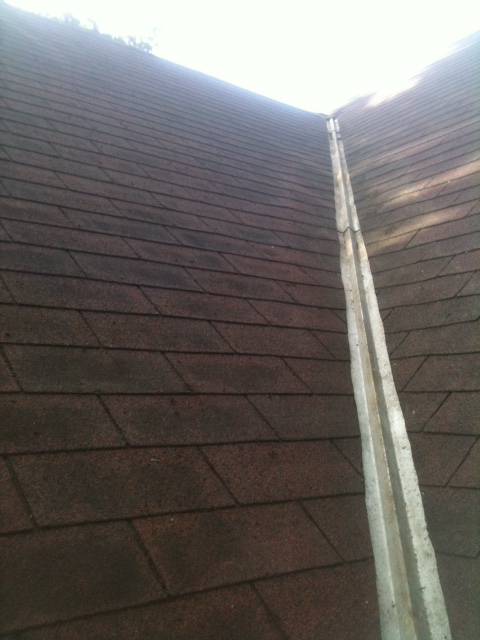
If you're getting ready to list a house, a mossy roof is one of the first things working against you — not because moss is expensive to fix, but because it's one of the first things an inspector, an insurance underwriter, and a buyer standing at the curb all notice independently, before anyone's even talked price. It's also one of the cheapest fixes on the whole pre-listing checklist relative to what it does for the first impression.
Why inspectors and insurers flag it
Moss removal is often required by insurance companies and home inspectors before a sale closes. That's not an arbitrary hoop — moss retains water against the shingle and roots into it as it spreads, which is exactly the kind of slow damage an inspection is designed to catch. A roof with visible moss reads as a deferred-maintenance flag, even on a roof that's otherwise in decent shape.
"Such great service from JNR! Pleased with their work, their price and their customer service. We have lots of trees… and our roof looks the best it has looked in the 25 years we have lived here."
— Julia Petersen, Yelp review
Curb appeal is a first-impression problem
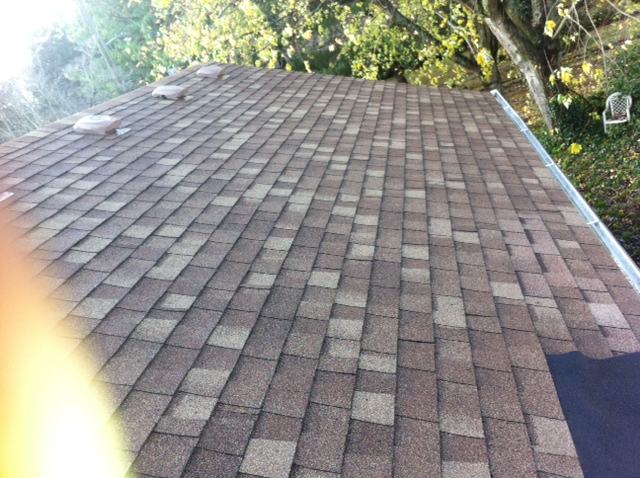
Buyers form an opinion of a house before they've walked through the front door, and a roof is one of the largest visible surfaces on the whole property. Moss removal from your roof will help you sell quicker, and often for more, once it's off — it's one of the more straightforward ways to make a house more appealing to buyers without touching anything structural or expensive.
What to do before you list
A few things worth handling together, since they're all part of the same first impression:
- Moss and algae removal — the roof itself, treated so it stays clean through the listing period, not just the day photos are taken.
- Gutter cleaning — clogged gutters are an easy thing for an inspector to note and a buyer to notice from the ground.
- A photo-documented inspection — knowing what's actually up there before a buyer's inspector finds it first gives you room to address it on your terms.
- Pressure washing hard surfaces — decks, walkways, and driveways round out the same curb-appeal push, though that's handled separately from roof work.
Timing it around your listing
The treatment itself needs about a month to fully soak in and kill spores at the root — the moss comes off the day we're there, but the part that keeps it from creeping back needs that lead time. If listing photos and a buyer's inspection are both on the calendar, getting the roof treated a month or more out from either date means it's not just clean for the camera, it's actually treated by the time an inspector's up there. A rush job the week before photos will look fine in the pictures and still show up on paper.
What we won't tell you to do
If your roof is old enough that cleaning won't meaningfully help — more on that honest call in clean it or replace it — we'll say so instead of taking a cleaning job that won't move the needle on an inspection anyway. A buyer's inspector will find a roof that's genuinely at the end of its life regardless of how clean it looks the day of the walkthrough, and there's no version of that conversation where pretending otherwise helps you.
For most homes, though, a roof with moss on it but real years of life left is exactly the kind of fix that pays for itself in a faster sale. Our roof cleaning & eco-friendly moss treatment page covers the full process, and every job includes the photo-documented inspection you'd want on hand before a buyer's inspector shows up.
Frequently Asked Questions
Why does moss need to come off, and is it really harmful if I just leave it?
What do I get after the job is done?
How much does a roof cleaning cost?
Are you licensed, bonded, and insured?
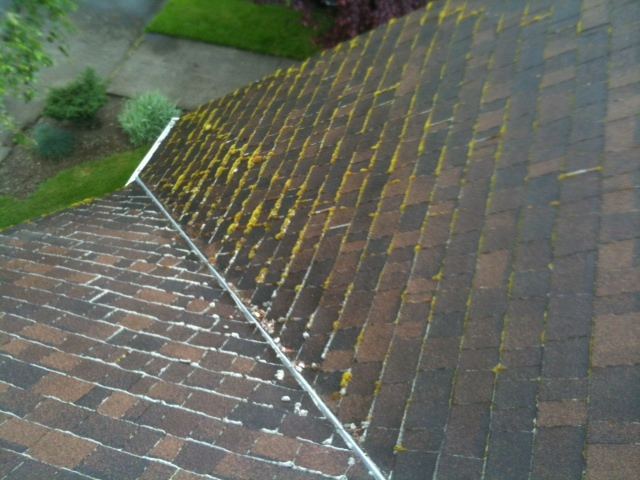
I've seen moss removal be the difference between a smooth inspection and a renegotiated price. If you're getting ready to list, send me a photo of the roof early — not the week before your listing photos — so there's time to actually treat it, not just scrape it.
— Jesse