

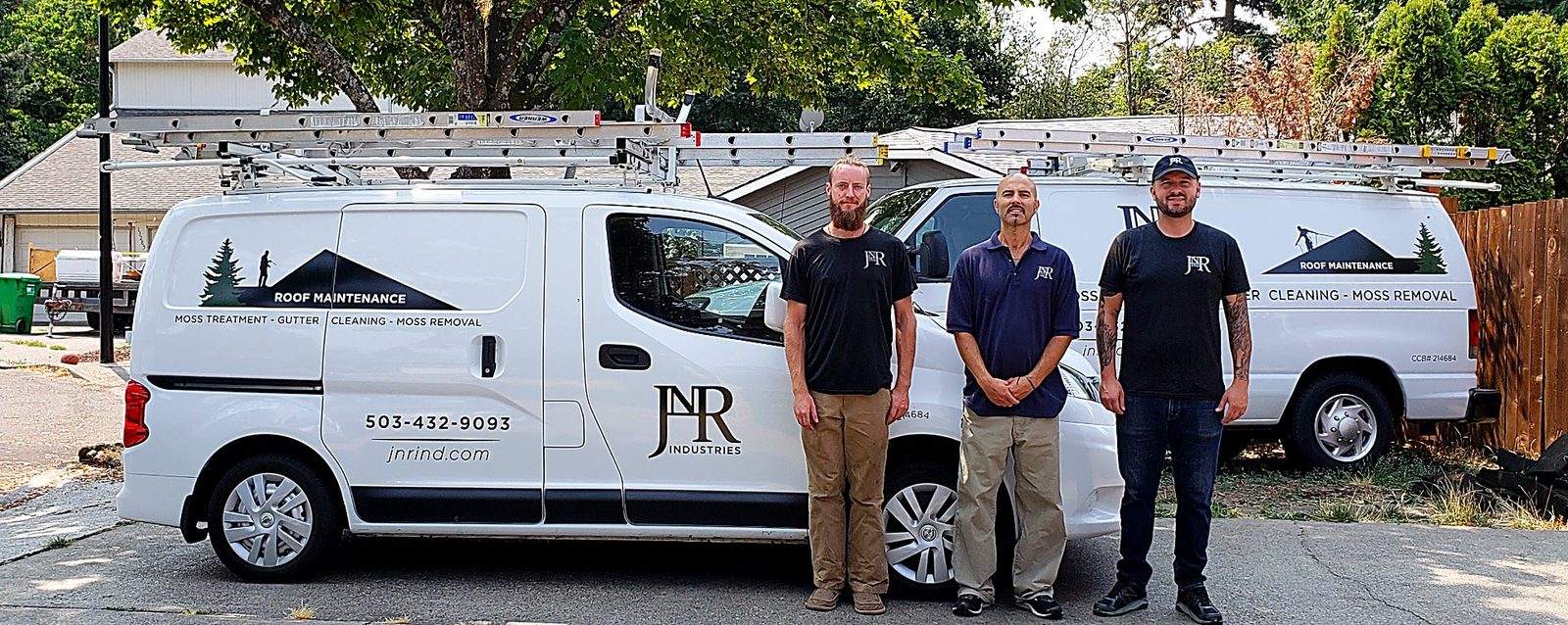
We tell people up front: roof cleaning is a messy job. Moss and years of built-up debris don't come off a roof quietly, and if nobody warns you about that, the mess can feel like something went wrong. It didn't — it's just the job. Here's what actually happens between the day you approve a bid and the day your photo report lands in your inbox.
Before the Crew Shows Up
Once you approve a bid, Jesse gets you on the schedule and confirms the day. Portland weather gets a vote — if freezing temperatures or heavy rain are forecast, we'd rather move the date than run a job under conditions that compromise it. From there, the only real work on your end is a short prep checklist — gates, water access, windows, pets, that kind of thing. It takes about five minutes and it's covered in full on our appointments page, so we won't repeat the whole list here.
What the Crew Actually Does
Most roofs get a combination of hand brushing and low-pressure washing — never a high-pressure blast, which strips granules and shortens shingle life. Which technique we lean on depends on the moss and the shingle: low pressure is gentler and removes fewer granules, but brushing alone won't lift stains or black algae, so most jobs use both. We treat the roof with our safe, US-made product, clean out the gutters on most homes at the same stop, and walk the roof with a camera — pipe vents, nail heads, shingle wear, anything that could turn into a leak gets photographed while we're up there.
The Mess Is Real — and So Is the Cleanup
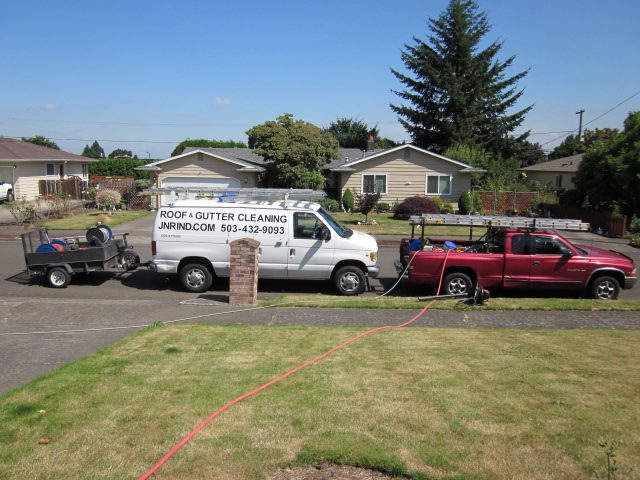
Moss, dead debris, and dirty rinse water all end up somewhere while we work — on the lawn, in the gutters, on any hard surface below the roofline. That's normal, not a sign anything went wrong. What isn't normal is leaving it that way: we go around the property afterward with a blower, a pressure washer, and a broom, and clean every hard surface we touched. The one thing that's not included is raking debris out of grass or planting beds — that's a landscaping job, not a roofing one, and a lawn mower handles what lands in the grass just fine. Ask ahead of time if you'd like that included and we'll quote it.
- Included at no extra charge: moss removal sized to your roof, the organic treatment, standard gutter cleaning, a full photo-documented inspection, and hard-surface cleanup around the house.
- Outside the standard bid: raking debris out of grass or planting beds, removing and reinstalling gutter guards, and repairs beyond small spot-fixes — all quoted separately if they come up.
- What you get afterward: a full inspection report with photos, emailed directly to you, so you see exactly what we saw.
Weather Doesn't Stop a Job Already in Progress
We won't start a job under a forecast that's likely to ruin it — but once a crew is on your roof, they finish. That standard goes back further than you'd think. In January 2012, a customer wrote in after a crew member named Kevin cleaned her roof in wet snow and 30-degree temperatures:
"The poor guy probably had hypothermia by the time he was done with temperatures in the 30's and wet snow falling a good part of the day. What a worker! Kudos to Kevin!"
— Customer email to Jesse Rice, January 2012
That's an extreme example, and it's not how we'd schedule a job today — a forecast like that would get the appointment moved before the crew ever left the shop. But it says something about the standard: once we've started, we don't leave a roof half-treated because the weather turned on us. If conditions shift mid-job, the crew finishes the work and we stand behind it.
What Happens After We Leave
You get your inspection report by email — the same photos we took while we were up there, with plain notes on anything worth knowing about. If we found something bigger than a spot-fix, we'll say so and quote it separately rather than folding it into the bill without telling you. That's the whole point of the photo report: nothing about your roof stays a guess. If you're getting ready for your first visit, our roof cleaning & eco-friendly moss treatment page covers the treatment itself, and the maintenance plan page covers what happens if you stay on an annual schedule.
Frequently Asked Questions
What should I do to get ready before the crew arrives?
Will you clean up after yourselves — the moss, the debris, all of it?
What do I get after the job is done?
Does rain or cold weather mess up the treatment or my appointment?
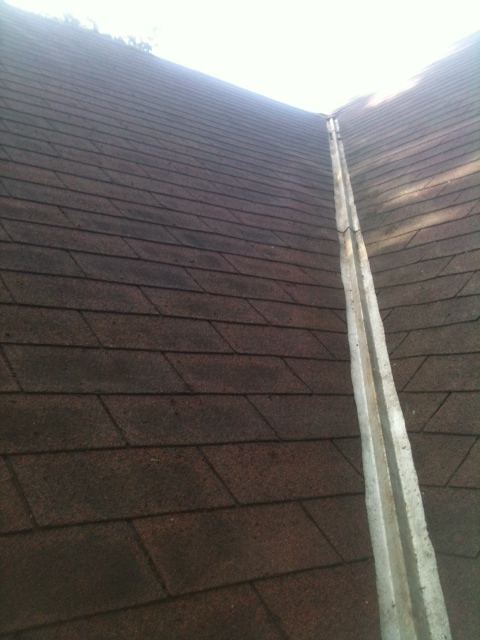
I tell every customer the same thing before we start: it's going to look messy for a few hours, and then it's going to look better than when we got there. If you want to know exactly what job day looks like at your place before you book, call or text me a photo of your roof.
— Jesse